
Social Work
<RETURN TO ALL PROGRAMS
Social Work
Help the Hurting. Fight for the Helpless.
Prepare for a career serving individuals, families, and communities through a program that combines classroom learning, extensive field experience, and close faculty mentorship. Bethany’s program is accredited by the Council on Social Work Education (CSWE) and is the only accredited social work program at a private liberal arts college in West Virginia.

What You’ll Experience
At Bethany, social work students combine classroom learning with extensive field experience, faculty mentorship, and opportunities to serve individuals, families, and communities through meaningful professional practice.
Field Experience
- Complete 550 hours of supervised field placement
- Gain experience in hospitals, schools, nursing homes, correctional facilities, behavioral health organizations, domestic violence prevention programs, and other community agencies throughout the tri-state region
- Apply classroom learning in real-world settings under the supervision of experienced social workers
Professional Development
- Complete a senior field placement and integrate your experience into a capstone project
- Work closely with faculty mentors who provide individualized guidance throughout the program
- Participate in the Social Awareness Club and activities that promote social justice and community engagement
Graduate School Preparation
- Prepare for advanced study through a curriculum accredited by the Council on Social Work Education (CSWE)
- Qualified students may be eligible for Advanced Standing admission into Master of Social Work programs
- Build the academic foundation and professional experience needed for graduate study and licensure

Careers & Advanced Study
Social work graduates pursue careers in:
- Clinical social work (with graduate education)
- Therapist (with graduate education)
- Child protective services
- Behavioral health
- Community and nonprofit organizations
- Hospital and healthcare systems
- Schools
- Advocacy organizations
- Corrections and probation
- Military service
- Law (Family Law-Domestic Relations)
- Agency administration
Many graduates also continue into Master of Social Work programs through Advanced Standing opportunities.

Areas Of Study
Social Work (Major)
Psychology and Social Work (Dual Major)
Why Bethany
FIELD PLACEMENT HOURS
ALUMNISUCCESS
Meet The Faculty
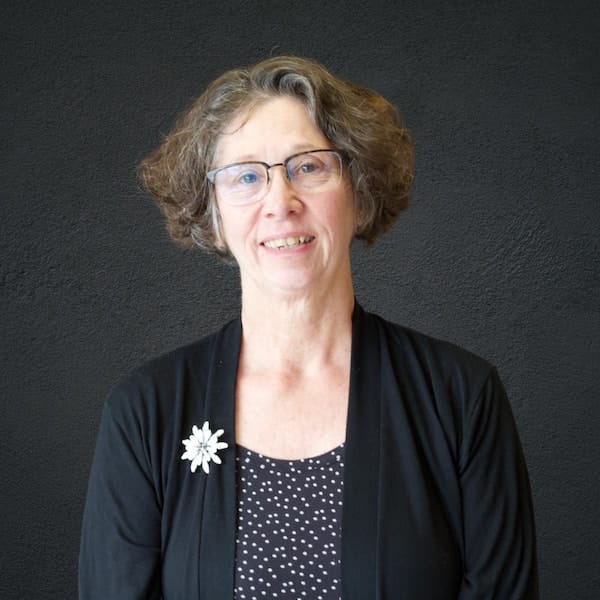
Associate Provost of Academic Affairs, Chair and Program Director - Department of Social Work

Program Resources
Requirements & Course Descriptions
View our course catalogue for the full list of requirements and course descriptions.
Related Programs
Accreditation
Bethany’s social work program, accredited by the Council on Social Work Education (CSWE), is the only accredited social work program in a private liberal arts college in West Virginia.
Professional Licensure
The Association of Social Work Boards (ASWB) maintains a licensing and regulations database which contains links to each licensing board and contains all the licensure requirements.
Look up licensure requirements per state.
Social Work – Professional Licensure General Disclosure for NC SARA.
BACCALAUREATE SOCIAL WORK PROGRAM ASSESSMENT OF STUDENT LEARNING OUTCOMES
JUNE 2026
JUNE 2025
JUNE 2024
JUNE 2023
JUNE 2022
JUNE 2021
JUNE 2020
(Corrected 3-2-2021)
This form is used to assist the COA [Council on Accreditation] in the evaluation of the program’s compliance with the accreditation standards below:
B4.0.2 The program provides its most recent year of summary data and outcomes for the assessment of each of the identified competencies, specifying the percentage of students achieving program benchmarks for each program option.
All Council on Social Work Education programs measure and report student learning outcomes. Students are assessed on their mastery of the competencies that comprise the accreditation standards of the Council on Social Work Education. These competencies are dimensions of social work practice that all social workers are expected to master during their professional training. A measurement benchmark is set by the social work programs for each competency. An assessment score at or above that benchmark is considered by the program to represent mastery of that particular competency.
Three measures are used to evaluate student learning outcomes: the comprehensive exam, senior portfolio, and the final field evaluation. Students are evaluated on the following scale: 1 = below expected standards, 2 = meets expected standards, and 3 = exceeds expected standards. Benchmarks for each of the 9 competencies and for each of the practice behaviors have been set at 75% (75 percent of the students will score a 2 or higher).
OUTCOMES TABLE: [N=10]
Measure #1 – Exam
Measure #2 – Portfolio
Measure #3 – Field Evaluation
| Competency | Competency Benchmark | Percentage of Students Achieving Benchmark/ Measure | Percentage of Students Achieving Benchmark/ Competency |
| 1. Demonstrate Ethical and Professional Behavior | Measure 1: Behavior #1 – 70% Behavior #2 – 90% Behavior #3 – 90% Behavior #4 – 100% Behavior #5 – 100% |
||
| 75% | Measure 2: Behavior #1 – 60% Behavior #2 – 60% Behavior #3 – 80% Behavior #4 – 80% Behavior #5 – 70% |
86% | |
| Measure 3: Behavior #1 – 90% Behavior #2 – 100% Behavior #3 – 100% Behavior #4 – 100% Behavior #5 – 100% |
|||
| 2. Engage Diversity and Difference in Practice |
Measure 1:
Behavior #6 – 50%
Behavior #7 – 80%
Behavior #8 – 80%
|
||
| 75% |
Measure 2
Behavior #6– 70%
Behavior #7 – 70%
Behavior #8 – 70%
|
79% | |
|
Measure 3:
Behavior #6 – 90%
Behavior #7 – 100%
Behavior #8 – 100%
|
|||
| 3. Advance Human Rights and Social, Economic, and Environmental Justice |
Measure 1:
Behavior #9 – 90%
Behavior #10 – 50%
|
||
| 75% |
Measure 2:
Behavior #9 – 80%
Behavior #10 – 80%
|
83% | |
|
Measure 3: Behavior #9 – 100%
Behavior #10 – 100%
|
|||
| 4. Engage in Research-Informed Practice and Practice-Informed Research |
Measure 1:
Behavior #11– 50%
Behavior #12 – 30%
Behavior #13 – 90%
|
||
| 75% |
Measure 2:
Behavior #11 – 80%
Behavior #12 – 80%
Behavior #13 – 80%
|
79% | |
|
Measure 3:
Behavior #11 – 100%
Behavior #12 – 100%
Behavior #13 – 100%
|
|||
| 5. Engage in Policy Practice |
Measure 1:
Behavior #14 – 80%
Behavior #15 – 90%
Measure #16 – 70%
|
||
| 75% |
Measure 2:
Behavior #14 – 60%
Behavior #15 – 80%
Measure #16 – 70%
|
83% | |
|
Measure 3:
Behavior #14 – 100%
Behavior #15 – 100%
Measure #16 – 100%
|
|||
| 6. Engage with Individuals, Families, Groups, Organizations, and Communities |
Measure 1:
Behavior #17 – 90%
Behavior #18 – 80%
|
||
| 75% |
Measure 2:
Behavior #17 – 70%
Behavior #18 – 70%
|
85% | |
|
Measure 3:
Behavior #17 – 100%
Behavior #18 – 100%
|
|||
| 7. Assess Individuals, Families, Groups, Organizations, and Communities |
Measure 1:
Behavior #19– 40%
Behavior #20– 70%
Behavior #21– 30%
Behavior #22– 100%
|
||
| 75% |
Measure 2:
Behavior #19– 80%
Behavior #20– 80%
Behavior #21– 80%
Behavior #22– 60%
|
78% | |
|
Measure 3:
Behavior #19– 100%
Behavior #20– 90%
Behavior #21– 100%
Behavior #22– 100%
|
|||
| 8. Intervene with Individuals, Families, Groups, Organizations, and Communities |
Measure 1:
Behavior #23 – 70%
Behavior #24 – 80%
Behavior #25 – 100%
Behavior #26 – 100%
Behavior #27 – 90%
|
||
| 75% |
Measure 2:
Behavior #23 – 80%
Behavior #24 – 80%
Behavior #25 – 80%
Behavior #26 – 80%
Behavior #27 – 70%
|
87% | |
|
Measure 3:
Behavior #23 – 100%
Behavior #24 – 90%
Behavior #25 – 90%
Behavior #26 – 100%
Behavior #27 – 100%
|
|||
| 9. Evaluate Practice with Families, Groups, Organizations, and Communities |
Measure 1:
Behavior #28 – 100%
Behavior #29 – 60%
Behavior #30 – 80%
Behavior #31 – 80%
|
||
| 75% |
Measure 2:
Behavior #28 – 70%
Behavior #29 – 90%
Behavior #30 – 70%
Behavior #31 – 70%
|
84% | |
|
Measure 3:
Behavior #28 – 100%
Behavior #29 – 90%
Behavior #30 – 100%
Behavior #31 – 100%
|
|||
JUNE 2019
JUNE 2018
This form is used to assist the COA [Council on Accreditation] in the evaluation of the program’s compliance with the accreditation standards below:
B4.0.2 The program provides its most recent year of summary data and outcomes for the assessment of each of the identified competencies, specifying the percentage of students achieving program benchmarks for each program option.
All Council on Social Work Education programs measure and report student learning outcomes. Students are assessed on their mastery of the competencies that comprise the accreditation standards of the Council on Social Work Education. These competencies are dimensions of social work practice that all social workers are expected to master during their professional training. A measurement benchmark is set by the social work programs for each competency. An assessment score at or above that benchmark is considered by the program to represent mastery of that particular competency
OUTCOMES TABLE: [N=12]
Measure #1 – Exam
Measure #2 – Portfolio
Measure #3 – Field Evaluation
| Competency | Competency Benchmark | Percentage of Students Achieving Benchmark/ Measure | Percentage of Students Achieving Benchmark/ Competency |
| 1. Demonstrate Ethical and Professional Behavior | Measure #1 – 75% Measure #2 – 75% Measure #3 – 75% |
Measure #1 – 91% Measure #2 – 88% Measure #3 – 85% |
88% |
| 2. Engage Diversity and Difference in Practice | Measure #1 – 75% Measure #2 – 75% Measure #3 – 75% |
Measure #1 – 92%
Measure #2 – 90%
Measure #3 – 85%
|
89% |
| 3. Advance Human Rights and Social, Economic, and Environmental Justice | Measure #1 – 75% Measure #2 – 75% Measure #3 – 75% |
Measure #1 – 85%
Measure #2 – 73%
Measure #3 – 85%
|
81% |
| 4. Engage in Research-Informed Practice and Practice-Informed Research | Measure #1 – 75% Measure #2 – 75% Measure #3 – 75% |
Measure #1 – 75%
Measure #2 – 85%
Measure #3 – 85%
|
82% |
| 5. Engage in Policy Practice | Measure #1 – 75% Measure #2 – 75% Measure #3 – 75% |
Measure #1 – 85%
Measure #2 – 92%
Measure #3 – 85%
|
87% |
| 6. Engage with Individuals, Families, Groups, Organizations, and Communities | Measure #1 – 75% Measure #2 – 75% Measure #3 – 75% |
Measure #1 – 89%
Measure #2 – 85%
Measure #3 – 85%
|
86% |
| 7. Assess Individuals, Families, Groups, Organizations, and Communities | Measure #1 – 75% Measure #2 – 75% Measure #3 – 75% |
Measure #1 – 81%
Measure #2 – 89%
Measure #3 – 85%
|
85% |
| 8. Intervene with Individuals, Families, Groups, Organizations, and Communities | Measure #1 – 75% Measure #2 – 75% Measure #3 – 75% |
Measure #1 – 92%
Measure #2 – 80%
Measure #3 – 85%
|
86% |
| 9. Evaluate Practice with Families, Groups, Organizations, and Communities | Measure #1 – 75% Measure #2 – 75% Measure #3 – 75% |
Measure #1 – 87%
Measure #2 – 89%
Measure #3 – 83%
|
86% |
JUNE 2017
This form is used to assist the COA [Council on Accreditation] in the evaluation of the program’s compliance with the accreditation standards below:
4.0.2 The program provides summary data and outcomes for the assessment of each of its competencies, identifying the percentage of students achieving the benchmark.
4.0.4 The program uses Form AS 4 (B) and/or AS4 (M) to report assessment outcomes to its constituents and the public on its website and routinely up-dates (minimally every 2 years) these postings
All Council on Social Work Education programs measure and report student learning outcomes. Students are assessed on their mastery of the competencies that comprise the accreditation standards of the Council on Social Work Education. These competencies are dimensions of social work practice that all social workers are expected to master during their professional training. A measurement benchmark is set by the social work programs for each competency. An assessment score at or above that benchmark is considered by the program to represent mastery of that particular competency.
OUTCOMES TABLE: [N=20]
Measure #1 – Exam
Measure #2 – Portfolio
Measure #3 – Field Evaluation
| Competency | Competency Benchmark | Percentage of Students Achieving Benchmark/ Measure | Percentage of Students Achieving Benchmark/ Competency |
| 1. Identify as a Professional Social Worker | Measure #1 – 75% Measure #2 – 75% Measure #3 – 75% |
Measure #1 – 100% Measure #2 – 100% Measure #3 – 100% |
100% |
| 2. Apply Ethical Principles | Measure #1 – 75% Measure #2 – 75% Measure #3 – 75% |
Measure #1 – 95%
Measure #2 – 97%
Measure #3 – 100%
|
100% |
| 3. Apply Critical Thinking | Measure #1 – 75% Measure #2 – 75% Measure #3 – 75% |
Measure #1 – 93%
Measure #2 – 98%
Measure #3 – 100%
|
100% |
| 4. Engage Diversity in Practice | Measure #1 – 75% Measure #2 – 75% Measure #3 – 75% |
Measure #1 – 96%
Measure #2 – 100%
Measure #3 – 100%
|
100% |
| 5. Advance Human Rights/Social and Economic Justice | Measure #1 – 75% Measure #2 – 75% Measure #3 – 75% |
Measure #1 – 83%
Measure #2 – 98%
Measure #3 – 98%
|
100% |
| 6. Engage Research Informed Practice/Practice 7Informed Research | Measure #1 – 75% Measure #2 – 75% Measure #3 – 75% |
Measure #1 – 85%
Measure #2 – 100%
Measure #3 – 100%
|
100% |
| 7. Apply Human Behavior Knowledge | Measure #1 – 75% Measure #2 – 75% Measure #3 – 75% |
Measure #1 – 88%
Measure #2 – 100%
Measure #3 – 100%
|
96% |
| 8. Engage Policy Practice to Advance Well-Being and Deliver Services | Measure #1 – 75% Measure #2 – 75% Measure #3 – 75% |
Measure #1 – 98%
Measure #2 – 100%
Measure #3 – 100%
|
99% |
| 9. Respond to Practice Contexts | Measure #1 – 75% Measure #2 – 75% Measure #3 – 75% |
Measure #1 – 80%
Measure #2 – 100%
Measure #3 – 100%
|
93% |
| 10A. Practice Engagement | Measure #1 – 75% Measure #2 – 75% Measure #3 – 75% |
Measure #1 – 93%
Measure #2 – 94%
Measure #3 – 100%
|
96% |
| 10B. Practice Assessment | Measure #1 – 75% Measure #2 – 75% Measure #3 – 75% |
Measure #1 – 86%
Measure #2 – 93%
Measure #3 – 100%
|
93% |
| 10C. Practice Intervention | Measure #1 – 75% Measure #2 – 75% Measure #3 – 75% |
Measure #1 – 95%
Measure #2 – 93%
Measure #3 – 98%
|
95% |
| 10D. Practice Evaluation | Measure #1 – 75% Measure #2 – 75% Measure #3 – 75% |
Measure #1 – 90% Measure #2 – 88% Measure #3 – 90% |
89%
|
Study Social Work at Bethany
Prepare to advocate for others, strengthen communities, and create meaningful change through a career in social work.
Info
Visit
Apply
Deposit
Connect